
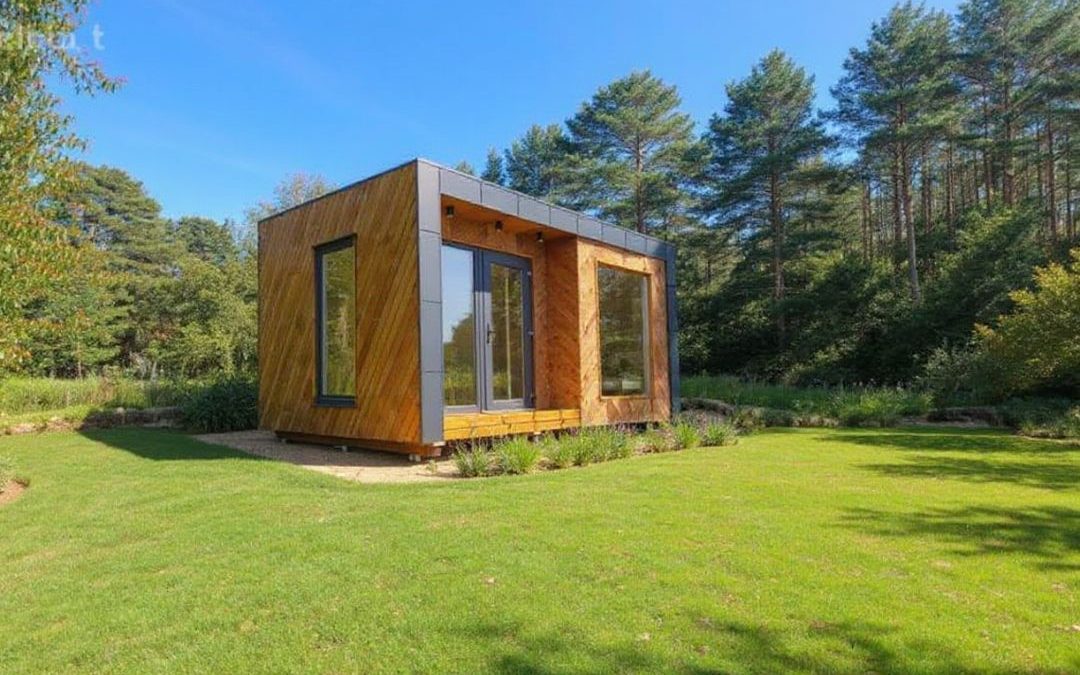
Transform your workspace with a garden office
The Benefits of Garden Offices
Garden offices have surged in popularity across the UK, redefining the traditional workspace by merging the comforts of home with the tranquility of nature. One of the most compelling benefits is the improvement in work-life balance. No longer confined to a corner of the living room or bedroom, professionals can now separate their professional and personal lives more effectively. This separation minimizes distractions, allowing for greater focus and productivity during working hours. Moreover, the commute is virtually non-existent, giving back precious time that can be used for leisure or family activities.
Another significant advantage is the enhancement of mental well-being. Studies have shown that being closer to nature can reduce stress and anxiety levels. A garden office, surrounded by greenery, provides a serene environment that can improve mood and overall mental health. The natural light and fresh air contribute to a healthier workspace, reducing the lethargy often associated with indoor office environments. This connection to nature can also boost creativity, providing an endless source of inspiration.
Additionally, garden offices can be customized to suit individual needs and preferences. Whether you require a minimalist setup for focused work or a more elaborate design with multiple workstations, the flexibility in design ensures that your workspace is tailored to your specific requirements. This level of personalization can lead to increased job satisfaction, as the environment is conducive to your working style and preferences. Overall, the benefits of garden offices extend beyond mere aesthetics, offering substantial improvements in productivity, mental health and work-life balance.
Garden Office Design Trends
The design of garden offices has evolved significantly, reflecting broader trends in architecture and interior design. One prominent trend is the incorporation of sustainable materials. With growing awareness of environmental issues, many garden offices now feature eco-friendly materials such as reclaimed wood, bamboo, and recycled metal. These materials not only reduce the environmental footprint but also add a rustic, natural aesthetic that blends seamlessly with the surrounding garden.
Another trend is the emphasis on modular and prefabricated structures. These designs offer the advantage of quicker construction times and often come with lower costs compared to traditional building methods. Modular units can be tailored to fit various garden sizes and shapes, providing a versatile solution for those with limited space. Additionally, these structures can be easily expanded or reconfigured as needs change, offering long-term flexibility.
Smart technology integration is also becoming increasingly popular in garden office designs. From automated lighting and climate control to high-speed internet connectivity, these modern features ensure that the garden office is as functional as any traditional office space. The incorporation of large windows and bi-fold doors is another design trend that maximizes natural light and provides an open, airy feel. This design choice not only enhances the aesthetic appeal but also contributes to the overall well-being of the occupants by creating a brighter, more inviting workspace.
Choosing the Right Location for Your Garden Office
Selecting the ideal location for your garden office is crucial to maximizing its benefits. One of the first considerations is proximity to the main house. While you want the office to be sufficiently detached to ensure a clear separation between work and home life, it should also be close enough for easy access to amenities such as the kitchen and bathroom. A well-placed garden office strikes a balance between accessibility and privacy, ensuring that you can work efficiently without feeling isolated.
Another important factor is the orientation of the garden office. Positioning the office to take advantage of natural light can significantly enhance the working environment. South-facing offices receive the most sunlight throughout the day, reducing the need for artificial lighting and creating a warm, inviting space. However, it's also essential to consider shading options to prevent glare and overheating during the summer months. Strategically placed trees or awnings can provide the necessary shade while maintaining a bright interior.
The surrounding landscape also plays a vital role in creating a conducive working environment. Ideally, the garden office should be situated in a quiet, secluded part of the garden, away from noisy streets or busy areas. Incorporating natural elements like water features, flower beds, or even a small pond can enhance the tranquility of the space. The goal is to create a serene, inspiring environment that promotes focus and productivity while allowing you to enjoy the beauty of your garden.
Planning Permissions and Regulations
Navigating the planning permissions and regulations for building a garden office can be a daunting task, but it's a crucial step in the process. In the UK, most garden offices fall under the category of permitted development, meaning that planning permission is not required, provided certain conditions are met. These include restrictions on the size and height of the structure, its distance from the property boundary, and its intended use. For example, the office should not occupy more than 50% of the garden area, and its height should not exceed 2.5 meters if it's within 2 meters of the boundary.
However, there are exceptions to these rules. If your property is located in a conservation area, a national park, or a listed building, stricter regulations may apply. In such cases, it's advisable to consult with your local planning authority to ensure compliance. Additionally, if the garden office is intended for business use rather than personal use, it may require planning permission regardless of its size and location. This is particularly relevant for businesses that may generate additional traffic or noise.
Building regulations are another consideration. While smaller garden offices may be exempt from building regulations, structures that include plumbing, electrical work, or are intended for sleeping accommodation must comply with specific standards. These regulations ensure the safety and structural integrity of the building. It's essential to work with qualified professionals who can guide you through the regulatory landscape, ensuring that your garden office is both legal and safe.
Essential Features of a Garden Office
Creating an optimal garden office involves incorporating essential features that enhance functionality and comfort. Insulation is a critical component, ensuring that the office remains comfortable throughout the year. High-quality insulation in the walls, floor, and roof will keep the space warm in the winter and cool in the summer, reducing the need for additional heating or cooling systems. This not only enhances comfort but also contributes to energy efficiency and cost savings.
Lighting is another key feature. Natural light should be maximized through the use of large windows and, where possible, skylights. However, adequate artificial lighting is also necessary for overcast days and late-night work sessions. A combination of ambient, task, and accent lighting can create a well-lit, versatile workspace. Adjustable desk lamps and dimmable overhead lights offer flexibility, allowing you to tailor the lighting to your specific needs.
Ergonomics should also be a primary consideration. Investing in quality office furniture, such as an adjustable chair and desk, can prevent discomfort and long-term health issues. Additionally, the layout of the office should promote efficient workflows. This might include sufficient storage solutions to keep the space organized and clutter-free, as well as designated areas for different tasks, such as a sitting area for reading or a standing desk for tasks that require more movement. These features collectively create a functional, comfortable and productive workspace.
Cost Considerations for Building a Garden Office
The cost of building a garden office can vary widely depending on factors such as size, materials, and additional features. On average, a basic garden office can cost anywhere from £5,000 to £20,000. This price range typically includes the structure, insulation, basic electrical work and standard finishes. However, more elaborate designs with high-end materials, custom features and advanced technology can easily exceed £30,000.
One of the most significant cost variables is the choice of materials. Eco-friendly and sustainable materials, while beneficial for the environment, can sometimes come at a premium. However, they often offer long-term savings in terms of energy efficiency and durability. Prefabricated and modular units tend to be more cost-effective, reducing both material costs and construction time. Additionally, DIY enthusiasts can save on labor costs by taking on some of the building tasks themselves, although this requires a certain level of skill and commitment.
It's also essential to budget for additional costs such as planning permissions, professional fees, and ongoing maintenance. While many garden offices fall under permitted development, specific conditions may necessitate planning permission, which can incur additional costs. Hiring professionals for design, construction, and compliance with building regulations ensures a high-quality, safe structure but adds to the overall expense. Finally, regular maintenance is necessary to keep the garden office in good condition, including periodic checks of the insulation, electrical systems, and structural integrity.
How Garden Offices Enhance Work-Life Balance
Garden offices offer a unique solution to the challenge of maintaining a healthy work-life balance, especially in an era where remote work is becoming increasingly common. The physical separation between home and work environments allows for a clearer delineation of boundaries. This separation helps to reduce the blurring of lines that often occurs when working from home, where the temptation to check emails or finish projects extends into personal time. A dedicated garden office enables you to "leave work" at the end of the day, fostering a more traditional workday structure.
The proximity to home also offers unparalleled flexibility. Parents can easily attend to their children's needs, take breaks to enjoy family time, or manage household chores without the need for a lengthy commute. This flexibility can lead to increased job satisfaction and reduced stress, as employees can better balance their professional and personal responsibilities. The ability to step outside into the garden during breaks also provides a mental reset, enhancing overall well-being and productivity.
Furthermore, garden offices can be tailored to individual preferences, creating a personalized workspace that promotes efficiency and comfort. Personal touches, such as family photos, favorite books, or a comfortable reading nook, can make the office feel more inviting and less sterile than a traditional corporate environment. This personalization can increase motivation and job satisfaction, as employees feel more in control of their work environment. Overall, garden offices offer a harmonious blend of professional and personal life, contributing to a more balanced and fulfilling lifestyle.
Real Life Examples of Garden Office Transformations
Real life examples of garden office transformations showcase the versatility and potential of these unique workspaces. Take, for instance, the case of Jane, a freelance graphic designer based in London. Jane transformed a neglected corner of her garden into a vibrant, creative studio. Using reclaimed wood and large windows, she created a space filled with natural light and rustic charm. The garden office not only enhanced her productivity but also provided a serene environment for brainstorming and artistic inspiration.
Another inspiring example is Mark and Sarah, a couple who both work from home in different industries. They decided to build a dual-purpose garden office that could accommodate both of their needs. The office features a shared workspace with a partition for privacy, allowing them to work independently without disturbing each other. The addition of a small kitchenette and a comfortable seating area made the space multifunctional, serving as both a professional workspace and a cozy retreat for breaks.
In a more elaborate transformation, tech entrepreneur Alex opted for a high-tech garden office equipped with the latest smart technology. His office includes automated lighting, climate control, and a state-of-the-art home theatre system for virtual meetings. The sleek, modern design, combined with cutting-edge technology, created an ultra-functional workspace that rivals any corporate office. These real-life examples highlight the endless possibilities and customization options available, demonstrating how garden offices can be tailored to meet diverse needs and preferences.
Conclusion: The Future of Remote Work in the UK
The rise of garden offices in the UK signifies a broader shift in the future of remote work. As companies and employees alike recognize the benefits of flexible working arrangements, the demand for dedicated home workspaces is likely to continue growing. Garden offices offer a practical solution, providing a professional environment that enhances productivity while supporting a healthy work-life balance. This trend reflects a move towards more sustainable, personalized, and efficient ways of working.
The ongoing advancements in technology and design will further enhance the appeal of garden offices. Innovations in sustainable materials, modular construction, and smart technology integration will make these spaces even more accessible and functional. As remote work becomes more entrenched in the professional landscape, the garden office will evolve to meet the changing needs of the workforce, offering ever-more sophisticated solutions.
Ultimately, the future of remote work in the UK is bright, with garden offices leading the way. These innovative spaces provide a harmonious blend of nature and productivity, creating a conducive environment for professional growth and personal well-being. As more people embrace the benefits of garden offices, they will undoubtedly become a staple of modern working life, revolutionizing the way we approach work and home life.
Ready to consider a Chaigley Garden Office?
Contact us today to learn more about the options for your handcrafted garden office.